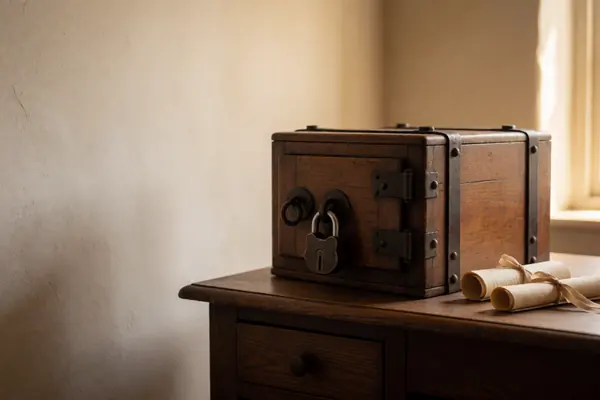
1567
A lottery for harbours
The Royal Lottery of 1567-68 was meant to fund better harbours and other public works. The National Archives notes it was not a success.
Pick an era lottodoodle
Start
A HISTORY OF ENGLAND'S STATE LOTTERIES
Long before the modern National Lottery, the English state raised money by selling lottery tickets.
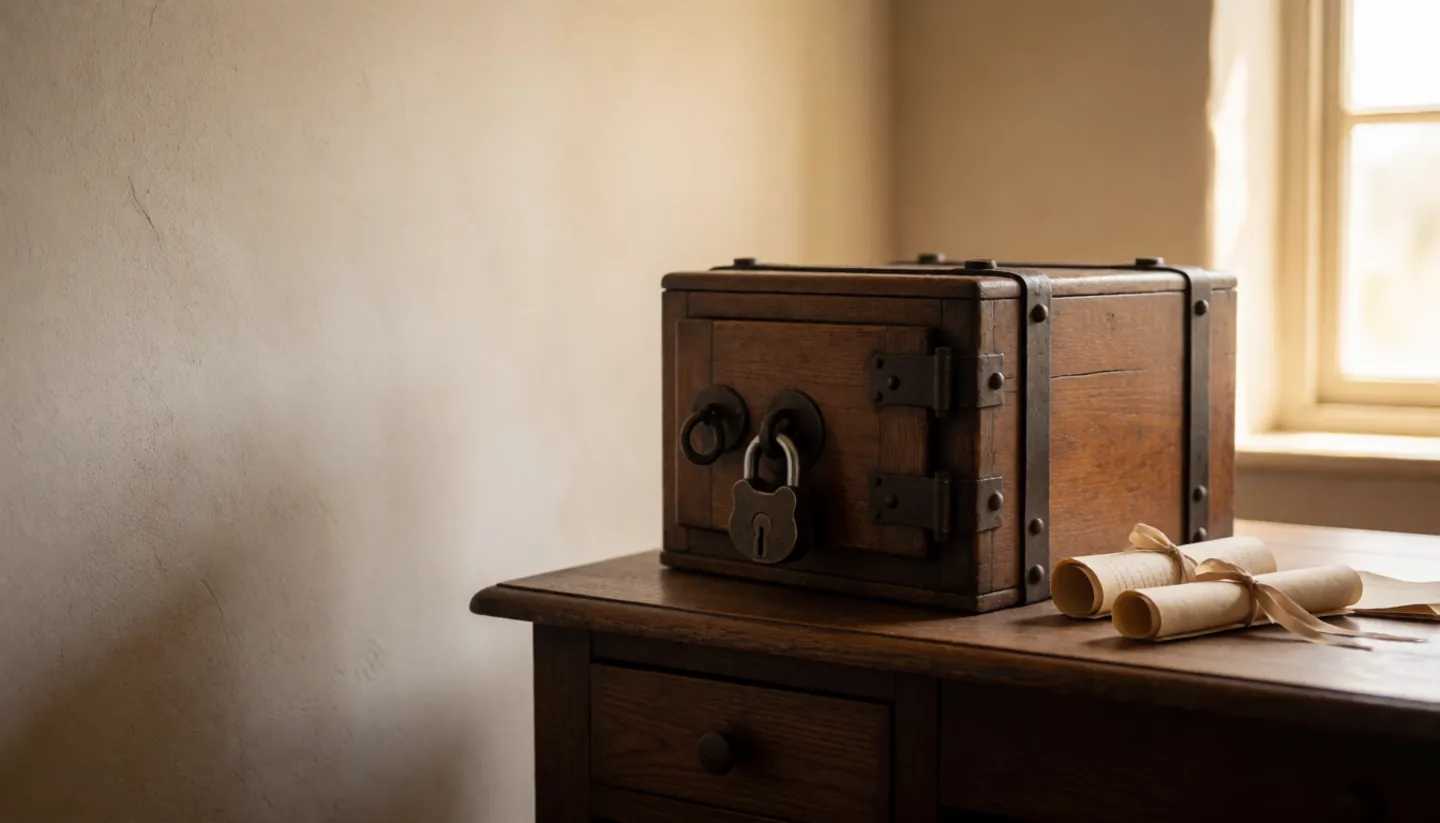
The first recorded English lottery, in 1567, was meant to pay for harbours. Over the next 260 years lotteries became a regular part of public finance, then fell into disrepute. This is an independent history guide based on National Archives records; it does not promote gambling.
1567the first on record
Pick an eraKeep in mind
THE SHORT ANSWER
Lotteries were a way to borrow and raise money.
Fraud and side-betting eventually sank them.
1567
The Royal Lottery of 1567-68 was meant to fund better harbours and other public works. The National Archives notes it was not a success.
Pick an era1694
The first state lottery of this new kind offered 100,000 tickets at £10, with prizes paid largely as annuities. Its subscribers went on to found the Million Bank.
How a draw worked1826
Frauds, abuses and illegal wagering on results brought the system into disrepute. State lotteries ended in 1826.
Why they endedA QUICK ERA CHECK
Pick a period to see how state lotteries were run then. The bar shows roughly how many were held.
Counts are as given in The National Archives' history of the Lottery Office records.
TWO NUMBERS WORTH KNOWING
One figure from the first state lottery of 1694,
one from its final, busiest stretch.
100,000
£10 tickets offered in 1694
The Million Lottery's tickets mostly cost £10. Buyers in the £10 and £100 lotteries were guaranteed some return, as a prize or an annuity, though not their full stake.
THE NATIONAL ARCHIVES
126
State lotteries from 1769 to 1826
In this last stretch, prize draws replaced annuities and lotteries became mostly simple win or lose gambles, until they were abandoned in 1826.
THE NATIONAL ARCHIVES
For history only. If gambling is causing problems for you or someone close to you, GambleAware offers free, confidential help.
FOUR STEPS OF A 1690s DRAW
The National Archives describes how the early state lotteries were drawn, long before machines and balls.

Step 1
Managers appointed by letters patent produced books of numbered tickets, delivered to Treasury-appointed Receivers who sold them.
Step 2
The buyer kept one part. A second part was rolled up and locked in a box, and a third stayed in the book as a counterfoil.
Step 3
Another set of tickets, the same number as the first, was divided into blanks and prizes and locked in a second box.
Step 4
Tickets were drawn from both boxes in turn and paired off. A ticket drawn beside a 'fortunate' prize ticket won that prize.
WHY THEY ENDED

The idea of a fund-raising lottery came to England from Italy, and History Today notes that in August 1567 a printed broadsheet listed and illustrated the prizes on offer. By the 18th century, brokers sold shares in tickets, and abuses led to licensing of lottery offices and, after the Lottery Office Keepers' Act 1779, stamping of shared tickets.
It was not enough. Illegal insurance and wagering on results kept the system in disrepute, and the last state lottery was drawn in 1826. A new National Lottery was authorised by the National Lottery etc. Act 1993, which received Royal Assent on 21 October 1993; its first draw was on 19 November 1994.
Questions
The first English lottery of which any record survives was in 1567. The National Archives says lotteries were already well established on the continent, especially in the Low Countries, and earlier unrecorded English ones are likely.
The Royal Lottery of 1567-68 was meant to finance improvements to harbours and other public works. According to The National Archives, it was not a success.
The first state lottery of 1694. It offered 100,000 tickets at £10, paid prizes largely as annuities and set the pattern for 42 more state lotteries up to 1768.
Frauds, abuses and illegal wagering on results brought them into disrepute despite licensing rules. The Lottery Office was abolished in 1831.
No. It is an independent history guide. It sells nothing and does not encourage gambling. GambleAware offers free, confidential support if gambling is causing harm.
Destination
Updated
ABOUT THIS NAME
lottodoodle.com is part of the DoodleSale portfolio. It isn't in an auction right now, but you can ask about leasing it.